What makes a brand recognisable?
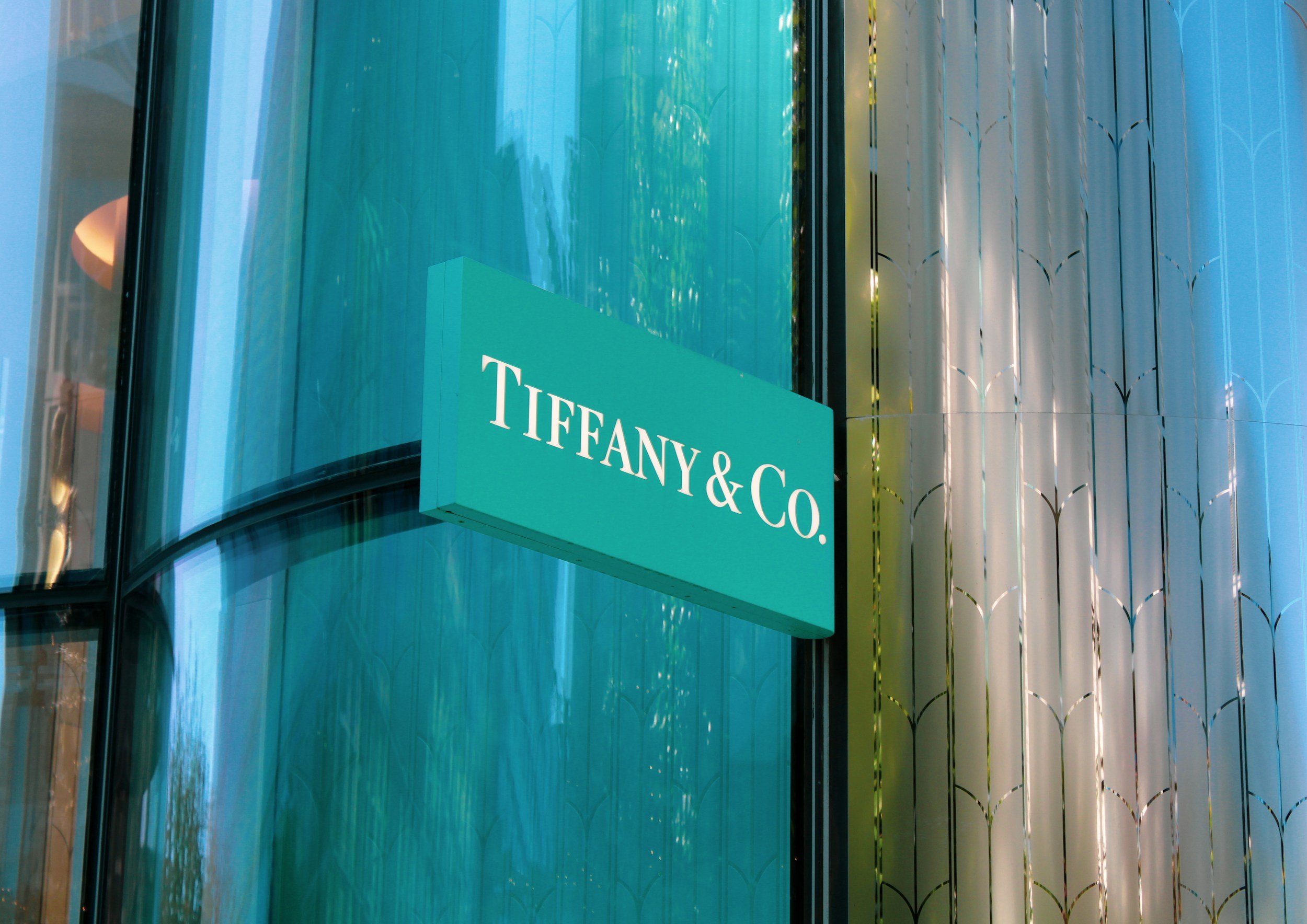
Think about some of the world's most recognisable brands. You could probably identify Coca-Cola without seeing its name. You know the golden arches before you've even read the sign. You recognise Apple's minimalist aesthetic, IKEA's unmistakable blue and yellow, and the distinctive packaging of a Tiffany & Co. purchase.



These brands have achieved something that extends far beyond having a well-designed logo. They've built a collection of recognisable characteristics that exist in the minds of their customers.
And that's the difference between having a logo and building a brand.
For many businesses, branding is still treated as a relatively straightforward exercise: choose a name, develop a logo, select a colour palette and put everything into a brand guidelines document.
But a visual identity is only one part of a much bigger picture.
A brand is what people recognise, what they remember, what they associate with your business and, ultimately, what influences how they feel about choosing you.
So, what actually makes a brand recognisable, and why does it matter?
A logo identifies. A brand communicates.
A logo is an important component of a visual identity. It provides a recognisable mark that helps distinguish one business from another.
But a logo alone cannot communicate everything a business stands for.
It doesn't independently establish your reputation, communicate your personality, explain your value proposition or create an emotional connection with your audience.
Those associations are built over time, through repeated interactions with the brand.
Consider Coca-Cola. Its recognition isn't dependent on the wordmark appearing in isolation. Its distinctive red, familiar typography, contour bottle, advertising style and long-established associations with sharing and enjoyment all contribute to how people identify and perceive the brand.
The same principle applies to businesses of every size.
A professional services firm might build recognition through a distinctive visual language, a consistent editorial tone and the way it communicates expertise. A hospitality business might be recognised through its atmosphere, signage, menu design, service style and the experience customers associate with visiting.
The logo is the introduction. Everything else helps tell the story.
Recognition is built through repetition
One of the most important ingredients in brand recognition is consistency.
Not necessarily repetition in the sense of making every advertisement, social media post or marketing campaign look identical, but consistently presenting recognisable characteristics across different customer touchpoints.
Think about how often someone might encounter a brand without actively looking for it.
They might see a social media post, pass a storefront, receive an email, visit a website, open a product package or hear someone recommend the business.
Each interaction presents an opportunity to reinforce the associations people have with that brand.
Over time, repeated exposure to distinctive elements can strengthen the connection between those elements and the business they represent.
This is closely related to the concept of distinctive brand assets: the colours, shapes, typography, symbols, sounds, language and other cues that help consumers identify a brand.
Research published in the Journal of Brand Management in 2025 examined how effectively marketers could judge the strength of their own brand assets compared with consumer recognition data. The findings highlighted an interesting disconnect: marketers frequently overestimated how well consumers recognised certain elements.
In other words, just because a brand element feels familiar to the people working inside a business doesn't mean it is equally recognisable to the people buying from it.
Brand recognition has to be built in the minds of the audience, not simply established in a brand guidelines document.
The power of distinctive brand assets
Some of the strongest brands in the world have developed visual and verbal characteristics that are recognisable independently of their name.
These are often referred to as distinctive brand assets.
They can include:
Colour combinations and visual palettes.
Typography and distinctive lettering.
Logos, symbols and graphic devices.
Packaging shapes and product presentation.
Taglines, phrases and tone of voice.
Photography styles and visual treatments.
Sounds, music and other sensory associations.
The golden arches of McDonald's are an obvious example. The shape is so strongly associated with the business that it can function as an identifier without requiring the company name alongside it.
Tiffany & Co.'s distinctive blue packaging offers another example of how a visual characteristic can become associated with a particular brand experience.
These assets aren't simply decorative decisions. They're recognisable signals that help brands occupy a more distinctive position in a crowded marketplace.
However, the important distinction is that choosing a particular colour or font doesn't automatically make it a brand asset.
A characteristic becomes valuable when it is distinctive enough to be associated with the business and used consistently enough for that association to develop.
This is why thoughtful brand development involves more than selecting things that look attractive together. It involves deciding what a business wants to be recognised for and developing a visual and verbal identity that supports that ambition.
Consistency doesn't mean being predictable
There's an interesting tension in modern branding.
Businesses are encouraged to stand out, be different and develop a distinctive identity. At the same time, they're expected to maintain consistency across every platform and customer interaction.
The challenge is understanding that these aren't opposing ideas.
Consistency doesn't mean every piece of communication needs to follow the same template. It means the underlying characteristics of the brand remain recognisable, even when the execution changes.
A strong brand can produce a sophisticated corporate presentation, a playful social media campaign, a printed brochure and a completely different advertising concept without losing its identity.
The colours, typography, imagery, tone and overall creative direction can adapt to suit the environment while still feeling unmistakably connected.
This is particularly important in a digital landscape where brands are constantly competing for attention across different platforms, formats and audiences.
A brand that relies entirely on one logo placement or one fixed graphic template may struggle to communicate effectively across these environments.
A well-developed identity provides a much more flexible creative foundation.
It gives designers and marketers a framework to work within, rather than a collection of rigid rules that restrict how the brand can communicate.
Your brand exists beyond your marketing materials
This is where branding becomes particularly interesting.
A business can invest thousands of dollars into a beautifully developed visual identity, but that identity is only one part of the experience people associate with it.
Consider a customer who discovers a business through an impressive website, makes an enquiry and receives a confusing response. Or a restaurant with beautiful branding that delivers an experience that doesn't match the expectations its marketing has created.
The visual identity might be doing its job, but the broader brand experience is telling a different story.
Brand perception is influenced by every interaction a customer has with a business.
That includes how enquiries are handled, how products are presented, how staff communicate, how consistently services are delivered and what people say about their experience afterwards.
This is why branding and business operations shouldn't be treated as completely separate considerations.
A brand makes a promise, whether explicitly or implicitly. The experience needs to support it.
The most recognisable businesses understand that their brand isn't something customers only encounter in advertisements. It's something they experience.
Building a brand that people remember
For businesses looking to establish or strengthen their brand, the objective shouldn't simply be to create something that looks good.
It should be to create an identity that is distinctive, relevant, consistent and capable of growing alongside the business.
That starts with understanding the business itself.
Who are you trying to reach? What makes your offering different? What do you want people to associate with your name? How should your brand feel compared with the alternatives available to your customers?
From there, the creative decisions become much more purposeful.
A considered branding process should establish:
A clear brand position. Understanding where the business sits within its market and what makes it relevant to its intended audience.
A distinctive visual identity. Developing recognisable design elements that communicate the brand's personality and differentiate it from competitors.
A consistent verbal identity. Establishing how the business communicates, including its tone of voice, language and messaging.
A flexible creative system. Ensuring the identity works across websites, social media, print, signage, packaging and future marketing activity.
A consistent customer experience. Making sure the way the business operates supports the expectations established by its brand.
These elements work together to create something much more valuable than a standalone logo.
They create a recognisable identity that can be reinforced through every interaction.
A brand is built, not simply designed
In an increasingly competitive marketplace, being visible is one thing. Being remembered is another.
A logo might introduce your business, but it takes a much more considered approach to build the recognition, associations and trust that encourage people to choose it.
The world's most recognisable brands didn't become household names because they found the perfect shade of blue or commissioned an attractive logo.
They developed distinctive identities, reinforced them through consistent experiences and invested in building meaningful associations with their audiences over time.
For smaller businesses, the opportunity is no different in principle, even if the scale of investment looks different.
You don't need the marketing budget of a global corporation to build a recognisable brand. You need clarity about what you stand for, a considered approach to how you present yourself and the discipline to reinforce that identity consistently.
At Penscope, we believe good branding starts with understanding what makes a business worth remembering.
Because a logo might help people recognise your name, but a well-developed brand gives them a reason to remember it.